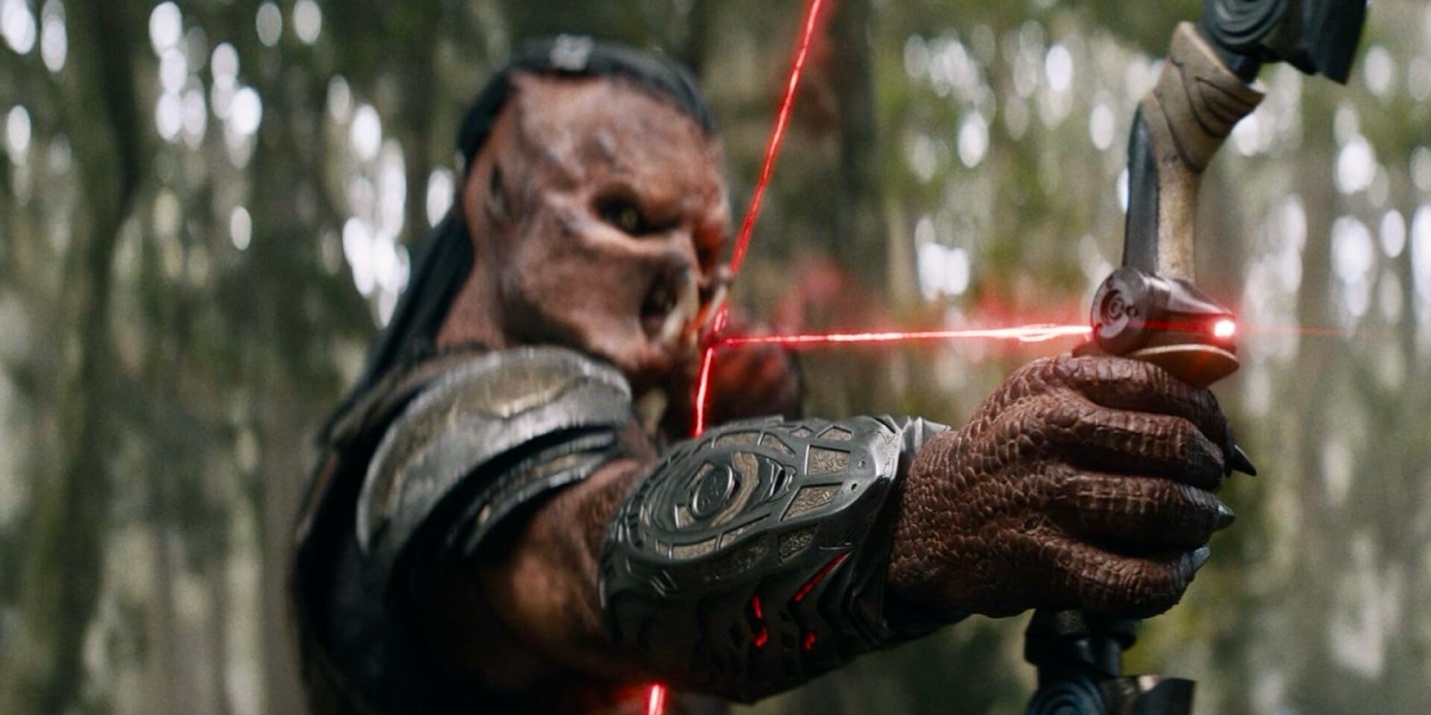
Дэн Трахтенберг, единственный режиссер, работавший над несколькими частями франшизы «Хищник» (он снял «Добычу» и мультфильм «Хищник: Убийца убийц»), выпустил 7 ноября седьмую часть серии, стартовавшей в 1987 году — «Хищник: Планета смерти».
Новинка получилась необычной: представитель расы хищников впервые становится главным героем, что может смутить поклонников классики, но превращает фильм в яркое бадди-муви с отличным экшеном и неожиданным юмором. Молодой яутжа Дэк (реальное название хищников), самый слабый в роду и презираемый собственным отцом, отправляется на планету Генна, где все животные и растения пытаются убить, чтобы получить место в клане и добыть Калиску — полумифическое непобедимое существо.
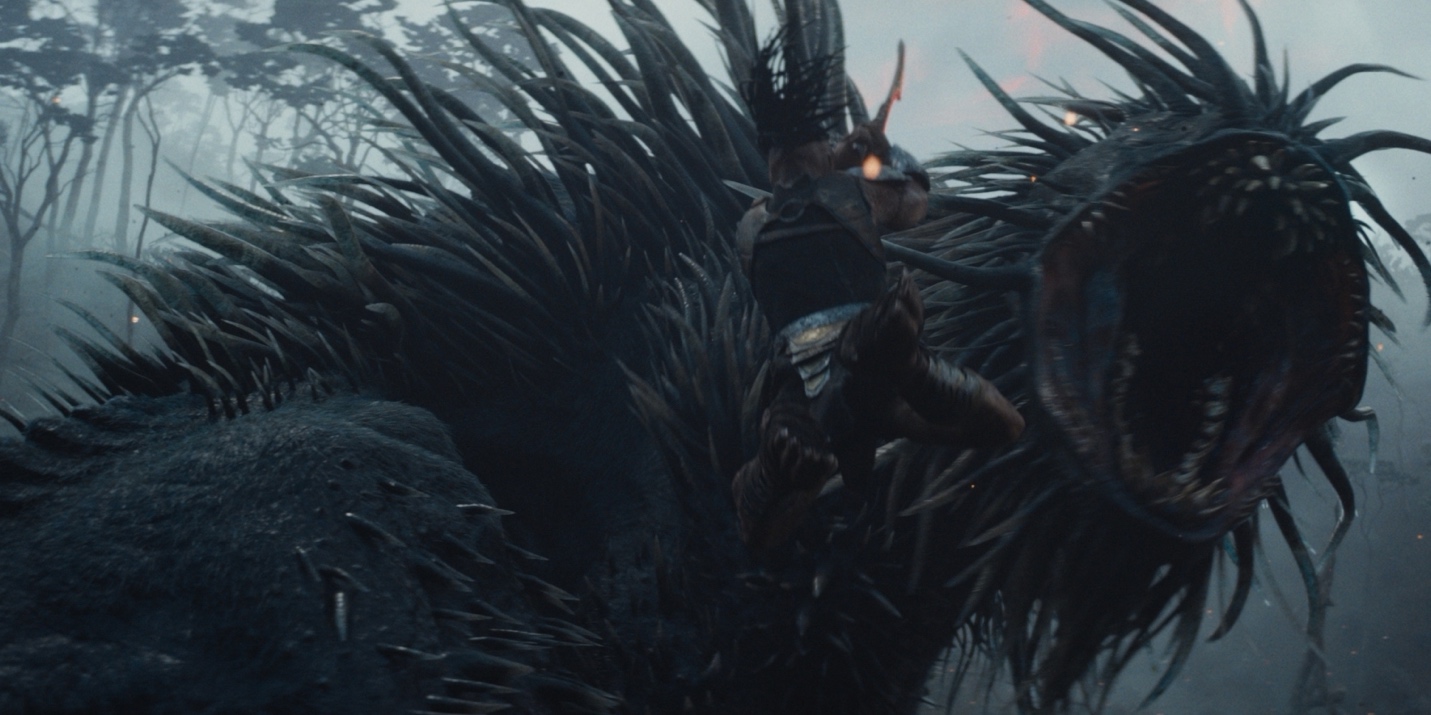
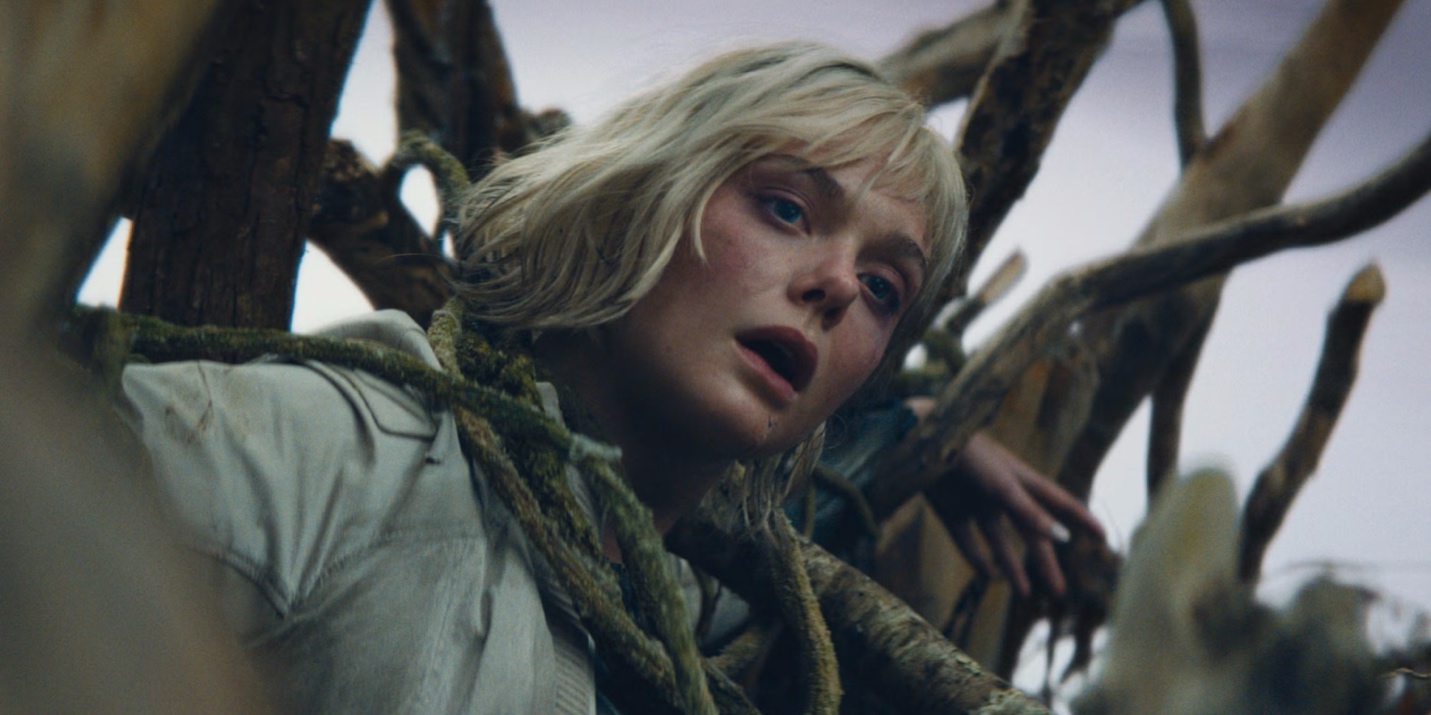
На планете герой встречает разорванного пополам синтетика Тиа из компании «Вейланд-Ютани», которая, несмотря на не в меру жизнерадостный характер, обещает помочь, но теперь напарникам угрожают не только местная флора и фауна, но и другие синтетики.
Смелый эксперимент
Проблема «Хищника» всегда сохранялась: первая часть переворачивала идеи кино про брутальных героев, а дальше авторы либо повторяли сюжет, либо добавляли иронию — как в «Хищнике» 2018 года, который многие считают худшим фильмом франшизы. Трахтенберг не первый, кто пытается оживить многострадальную франшизу, но в «Добыче» он осторожничал, снова сделав боевик про джунгли и спасение от хищника.
К 2025-му режиссер наконец осмелел и в «Планете смерти» полностью перевернул историю: убрав людей из сюжета, он показывает яутжа полноценным героем, а не функцией, причем у расы появился свой язык, созданный лингвистом Бриттоном Уоткинсом, которого привел Пол Фроммер — создатель речи на’ви из «Аватара».
Впервые на экранах зрителю рассказывают о расе, что делает яутжа менее загадочными и может разозлить тех, кто любил ощущение неуловимости и опасности охотника в «Хищнике», но изначальная идея давно исчерпала себя, так что смелость режиссера — единственный шанс интересно продолжить историю.
Бадди-муви с неожиданным юмором
Фильм построен как бадди-муви, где молчаливый суровый одиночка и жизнерадостная болтливая спутница, отвечающая за юмор, сближаются и решают помочь друг другу — это необычно для франшизы, причем в начале на это ничего не намекает: «Хищник: Планета смерти» кажется максимально мрачным и брутальным боевиком, где весь текст долгое время подается субтитрами как расшифровка языка яутжа.
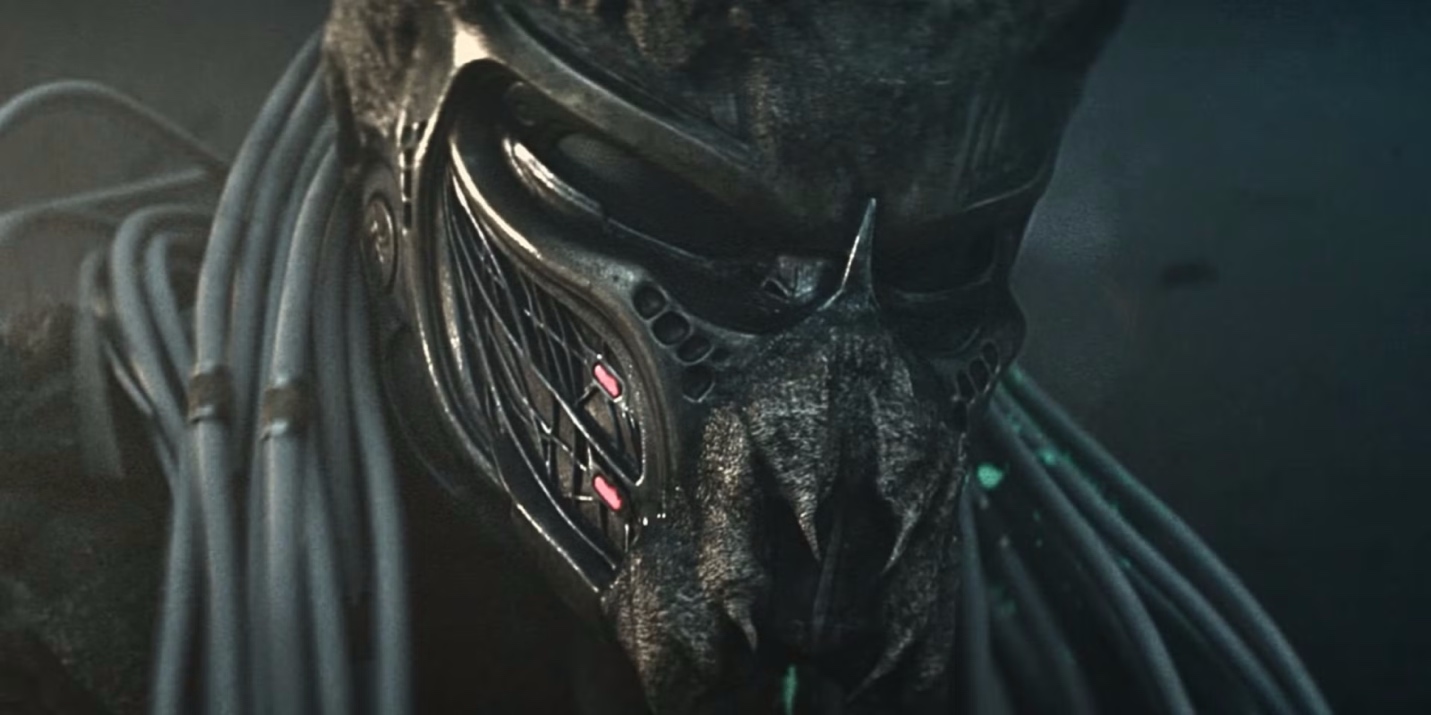
Появление героини Эль Фаннинг сначала вызывает диссонанс, но даже если режиссер побоялся делать серьезное кино, сюжет получился намного более стройным, чем у Шейна Блэка, благодаря удачному балансу экшена, событий и юмора.
Великолепная природа и экшен
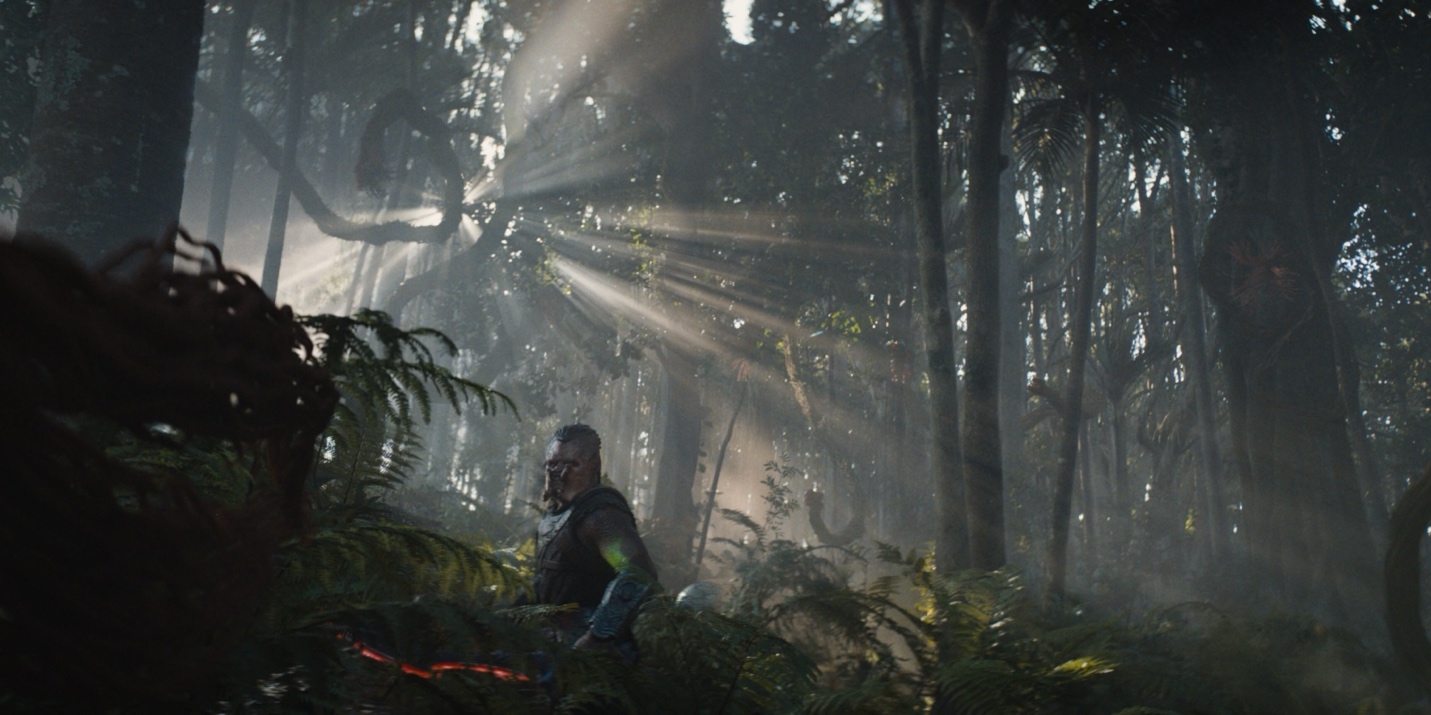
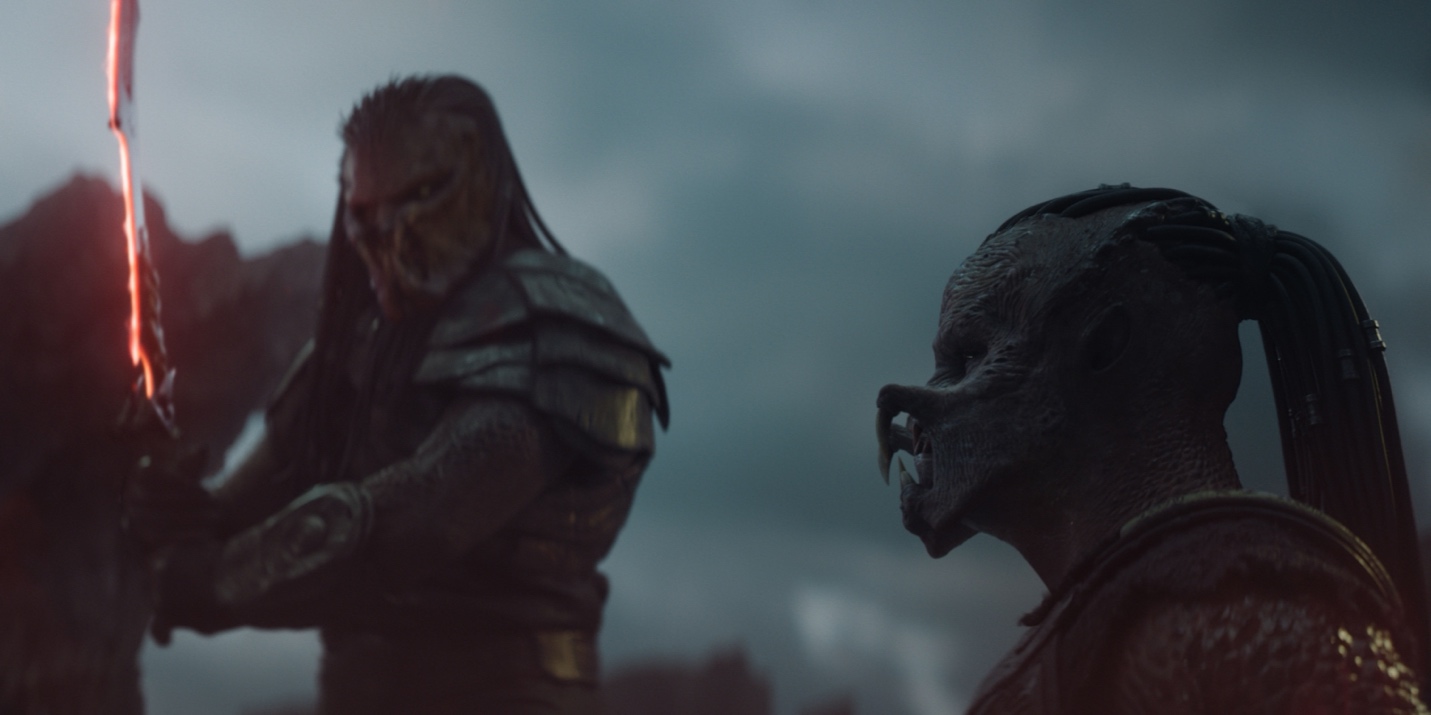
Дэн Трахтенберг советовался с Джеймсом Кэмероном по поводу своей идеи, и опытный коллега ее одобрил — не случайно в тексте несколько раз упомянут «Аватар», сходств между картинами больше, чем можно себе представить. С прибытием на планету Генна зрителя погружают в невероятно красивый мир, где на каждом шагу подстерегает опасность, причем картину снимали в Новой Зеландии, добавляя необычную графику и монстров к реальным потрясающим пейзажам.

В это буйство красок Трахтенберг вписывает беспрерывный экшен, а перед выходом фильма многие поклонники сомневались из-за рейтинга PG-13 вместо R, но это хитрость: в действии нет людей, поэтому формально нет человеческой крови, что не мешает персонажам ломать кости животным и разносить синтетиков на части. Дэк использует все фирменное оружие яутжа, от меча до бумерангов, а учитывая, что герой сражается с необычными монстрами, у режиссера почти безграничные возможности для хореографии экшена.
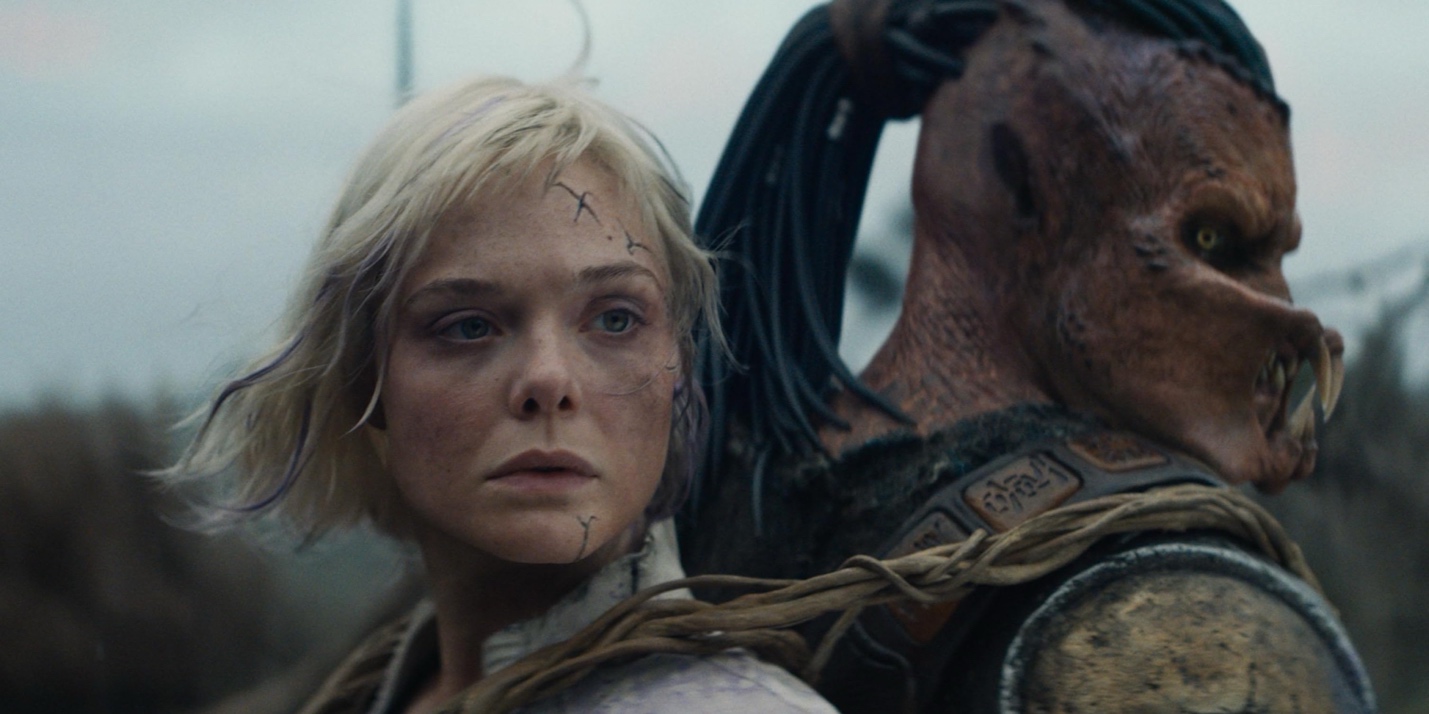
К финалу фильм выворачивает свою идею наизнанку: если в начале Дэк с технологичным оружием дерется с животными, то потом он не только сражается с андроидами, но и использует силы природы, и снова в сюжет проникают нотки «Аватара» — пришелец объединяется с миром планеты, чтобы победить захватчиков.

Итог
Самый смелый эксперимент за все годы существования «Хищника» Трахтенберга удался, в отличие от фильма Шейна Блэка и кроссоверов с «Чужим» — сюжет превращает представителя инопланетной расы в полноценного персонажа, напоминая, что они живут в одном мире с синтетиками, причем в «Планете смерти» нашлось место красивой картинке, динамичному экшену и даже юмору, так что смотреть фильм как минимум интересно, и у франшизы может быть хорошее будущее.
Dan Trachtenberg, the only director to have worked on multiple installments in the “Predator” franchise (he directed “Prey” and the animated film “Predator: Killer of Killers”), released the seventh installment in the series that began in 1987 on November 7 — “Predator: Death Planet.”
The new film turned out unusual: a representative of the predator race becomes the main character for the first time, which may confuse classic fans but transforms the film into a bright buddy movie with excellent action and unexpected humor. Young Yautja Dek (the real name of the predators), the weakest in the clan and despised by his own father, travels to planet Genna, where every animal and plant tries to kill, to earn a place in the clan and obtain Kaliska — a semi-mythical invincible creature.
On the planet, the hero meets Tia, a synthetic from the Weyland-Yutani company torn in half, who, despite her overly cheerful character, promises to help, but now the partners are threatened not only by the local flora and fauna but also by other synthetics.
Bold Experiment
The problem with “Predator” has always persisted: the first film flipped the ideas of films about brutal heroes, and later authors either repeated the plot or added irony — as in “The Predator” (2018), which many consider the worst film in the franchise. Trachtenberg is not the first to try to revive the long-suffering franchise, but in “Prey” he was cautious, again making an action movie about jungles and escaping from a predator.
By 2025, the director finally became bold and in “Death Planet” completely flipped the story: by removing humans from the plot, he shows the Yautja as a full-fledged hero, not a function, and the race even got its own language, created by linguist Britton Watkins, brought in by Paul Frommer — the creator of the Na’vi language from “Avatar.”
For the first time on screen, the viewer is told about the race, which makes the Yautja less mysterious and may anger those who loved the feeling of elusiveness and danger of the hunter in “Predator,” but the original idea has long been exhausted, so the director’s boldness is the only chance to interestingly continue the story.
Buddy Movie with Unexpected Humor
The film is built as a buddy movie where a silent, stern loner and a cheerful, talkative companion who provides humor come together and decide to help each other — this is unusual for the franchise, and at the beginning nothing hints at this: “Predator: Death Planet” seems like a maximally dark and brutal action movie where all text is presented in subtitles for a long time as a transcription of the Yautja language.
The appearance of heroine Elle Fanning initially causes dissonance, but even if the director was afraid to make a serious film, the plot turned out to be much more coherent than Shane Black’s, thanks to the successful balance of action, events, and humor.
Magnificent Nature and Action
Dan Trachtenberg consulted with James Cameron about his idea, and the experienced colleague approved it — it’s no accident that “Avatar” is mentioned several times in this text, the similarities between the films are greater than one might imagine. Upon arrival on planet Genna, the viewer is immersed in an incredibly beautiful world where danger lurks at every step, and the film was shot in New Zealand, adding unusual graphics and monsters to real stunning landscapes.
Trachtenberg fits continuous action into this riot of colors, and before the film’s release many fans doubted due to the PG-13 rating instead of R, but this is a trick: there are no humans in the action, so there is formally no human blood, which doesn’t prevent the characters from breaking the bones of animals and tearing synthetics to pieces. Dek uses all the signature weapons of the Yautja, from the sword to boomerangs, and given that the hero fights unusual monsters, the director has almost unlimited possibilities for action choreography.
By the finale, the film literally turns its own idea inside out: if at the beginning Dek fights animals with technological weapons, then later he not only fights androids but also uses the forces of nature, and again notes of “Avatar” penetrate the plot — the alien unites with the planet’s world to defeat the invaders.
Verdict
Trachtenberg’s boldest experiment in all the years of “Predator’s” existence succeeded, unlike Shane Black’s film and the crossovers with “Alien” — the plot turns a representative of an alien race into a full-fledged character, reminding us that they live in the same world as synthetics, and “Death Planet” found room for beautiful visuals, dynamic action, and even humor, so watching the film is at least interesting, and the franchise may have a good future.