Главный герой — отец, который пишет комиксы. Имён персонажей в фильме не называют. После того как внезапно умирает его жена, он остаётся один с двумя сыновьями-школьниками. Сразу видно, что мужчина не умеет ни готовить, ни общаться с детьми — раньше всё это делала жена.
Отец всё глубже уходит в горе, перестаёт заниматься домашними делами. Он только рисует в своей комнате. Но однажды в доме появляется страшный огромный Ворон. Существо выглядит опасным и, похоже, окончательно ломает психику мужчины. Хотя может быть, не всё так просто.
В «Сущности» Бенедикт Камбербэтч возвращается в большую драму
Обычно в рецензиях сначала разбирают сюжет, а потом уже игру актёров или картинку. Но давайте честно: если «Сущность» кого-то и заинтересует в России, то в основном из-за Бенедикта Камбербэтча. Актёра полюбили после «Шерлока», и потом он постоянно мелькал на экранах. Он снимался и в фильмах Marvel, и в «Стартреке», и в куче биографических картин.
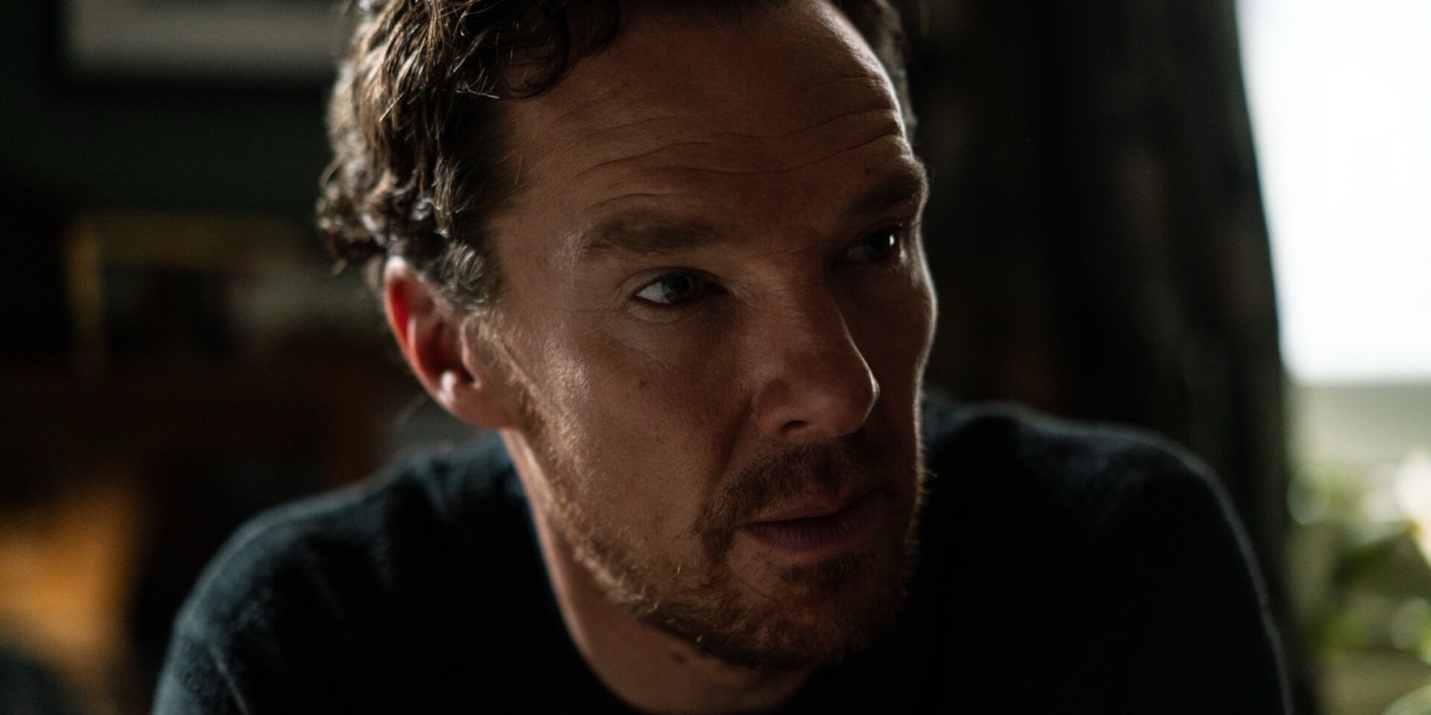
Но в последние годы Камбербэтч редко появляется в ярких ролях. Он был второстепенным героем во «Всемирном потопе» и «Книге Кларенса», одной из звёзд в фильмах Уэса Андерсона. По-настоящему большую роль после «Власти пса» он сыграл только в сериале «Эрик» — и снова всех покорил.
2025 год — это возвращение Камбербэтча в большое кино. «Супруги Роуз» с ним не вышли в российский прокат (но уже доступны в цифре — стоит посмотреть), а «Сущность» можно увидеть в кинотеатрах. Здесь он как бы продолжает темы из «Эрика» и менее известного «Дитя во времени» — про творческого человека, который сходит с ума из-за семейных проблем.
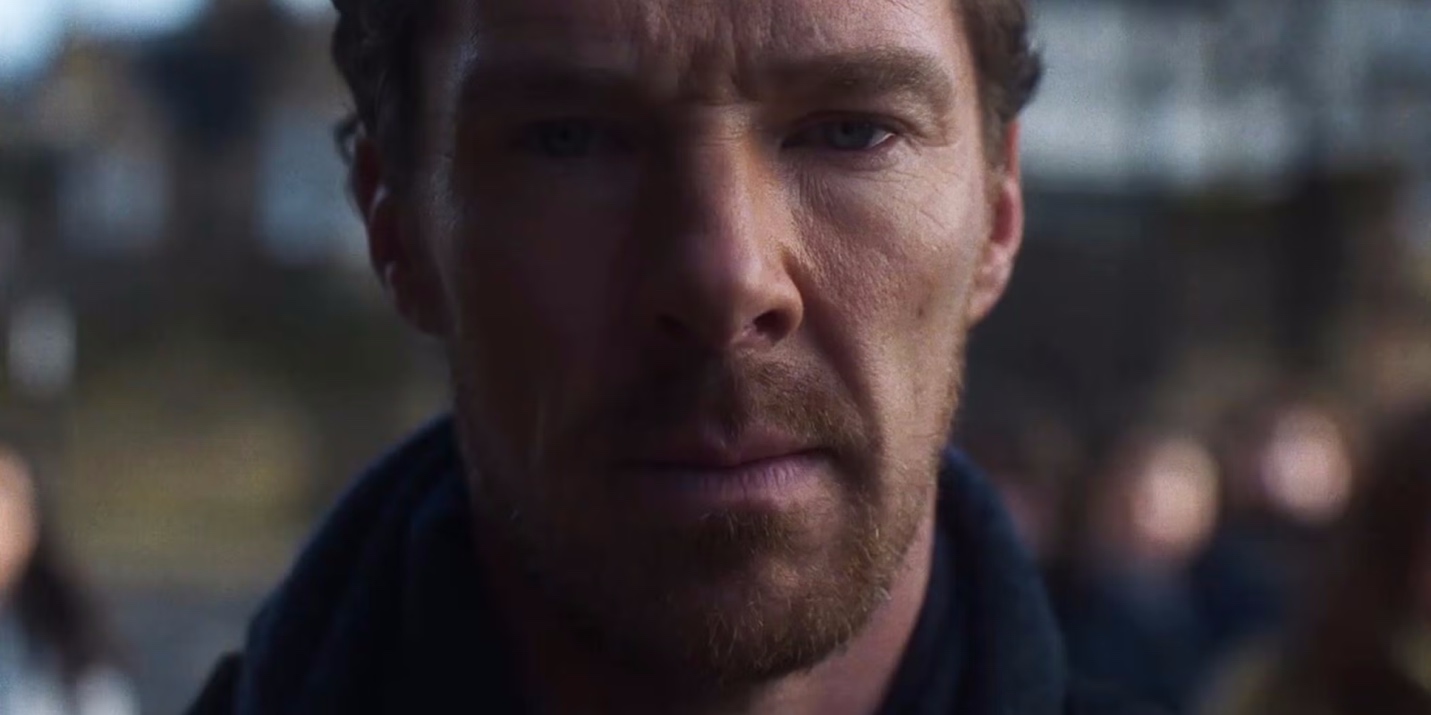
Саймон Пегг, который снимался с ним в «Стартреке», как-то пошутил, что Камбербэтча, которого все любят, в реальной жизни нет. Вне съёмочной площадки актёр ведёт себя неловко и неуверенно, а перед камерой становится статным героем или злодеем. Но в «Сущности» Камбербэтч каким-то образом притягивает взгляд, даже почти ничего не делая.
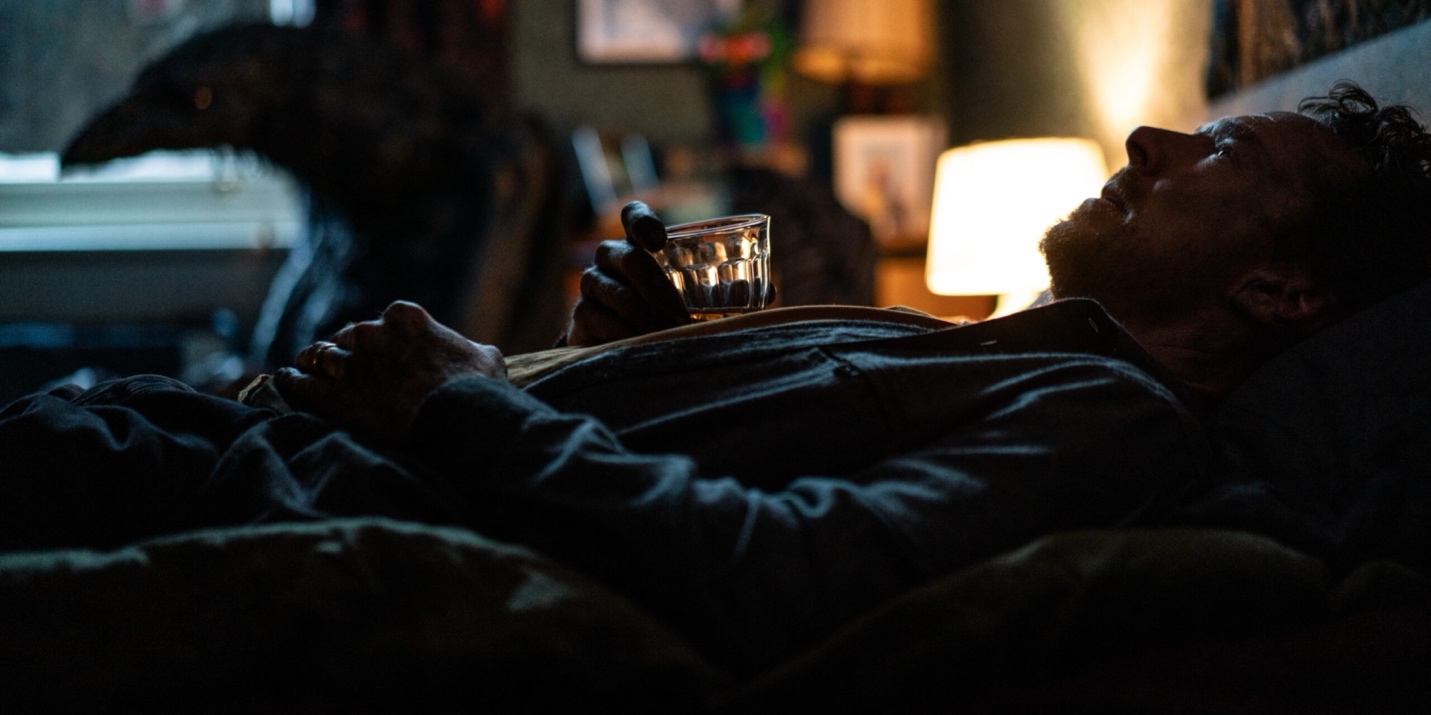
Герой может долго лежать, мыть посуду или просто смотреть в никуда. Но в этом бездействии больше смысла и трагедии, чем в длинных пафосных речах. Как он неприятен и жалок, когда срывается. И как страшно выглядят его руки, когда он погружается в творчество.

В этом фильме один актёр важнее всех декораций и событий. Благодаря Камбербэтчу горе героя буквально выворачивает его наизнанку, показывая худшие стороны. За одни поступки хочется его ненавидеть, за другие — обнять. Остаться равнодушным почти невозможно.
Фильм «Сущность» — это почти театральное, но честное произведение
Для России и других стран «Сущность» стала неожиданностью. Но для Британии это ожидаемое событие. Книга Макса Портера «Скорбь — это штука с перьями» вышла в 2015 году, стала бестселлером и переведена на два десятка языков. Всё из-за необычной структуры. Роман показывает три взгляда на одно событие: сначала чувства отца, потом детей, потом мистического Ворона, который олицетворяет их горе.
Портер смешал в книге свои переживания (его отец умер, когда Максу было шесть) и философскую поэзию Теда Хьюза. Название взято из стихотворения Эмили Дикинсон, только у неё было «Надежда — это штука с перьями». В отличие от оригинала, название романа звучит ещё мрачнее.
После успешной книги была театральная постановка, где Отца играл Киллиан Мёрфи (интересно сравнить его с Камбербэтчем). История просто должна была попасть на экран. Но именно здесь основа книги начала меняться.
«Сущность» снял Дилан Саузерн, его знают фанаты Blur и LCD Soundsystem по хорошим документалкам. В игровом кино режиссёр оставил главное — желание рассказать историю зрителю. Трёхчастная структура немного смазалась: во всех частях Отец остаётся главным героем. Но зритель всё равно узнаёт и о чувствах детей, и о странной роли Ворона.
Главное достоинство — «Сущность» не пытаются усложнить. Многие драмы сейчас перебарщивают с намёками, хотя история простая. Здесь мораль лежит на поверхности — и это почему-то привело к негативным отзывам, которые ругают фильм за предсказуемость.
Но это не детектив или триллер вроде «Тайного окна» — создатели «Сущности» не думают, что зритель глуп. Да, сюжет понятен, он даже проще, чем в книге. Но всё сделано не для обмана, а чтобы погрузить в переживания.
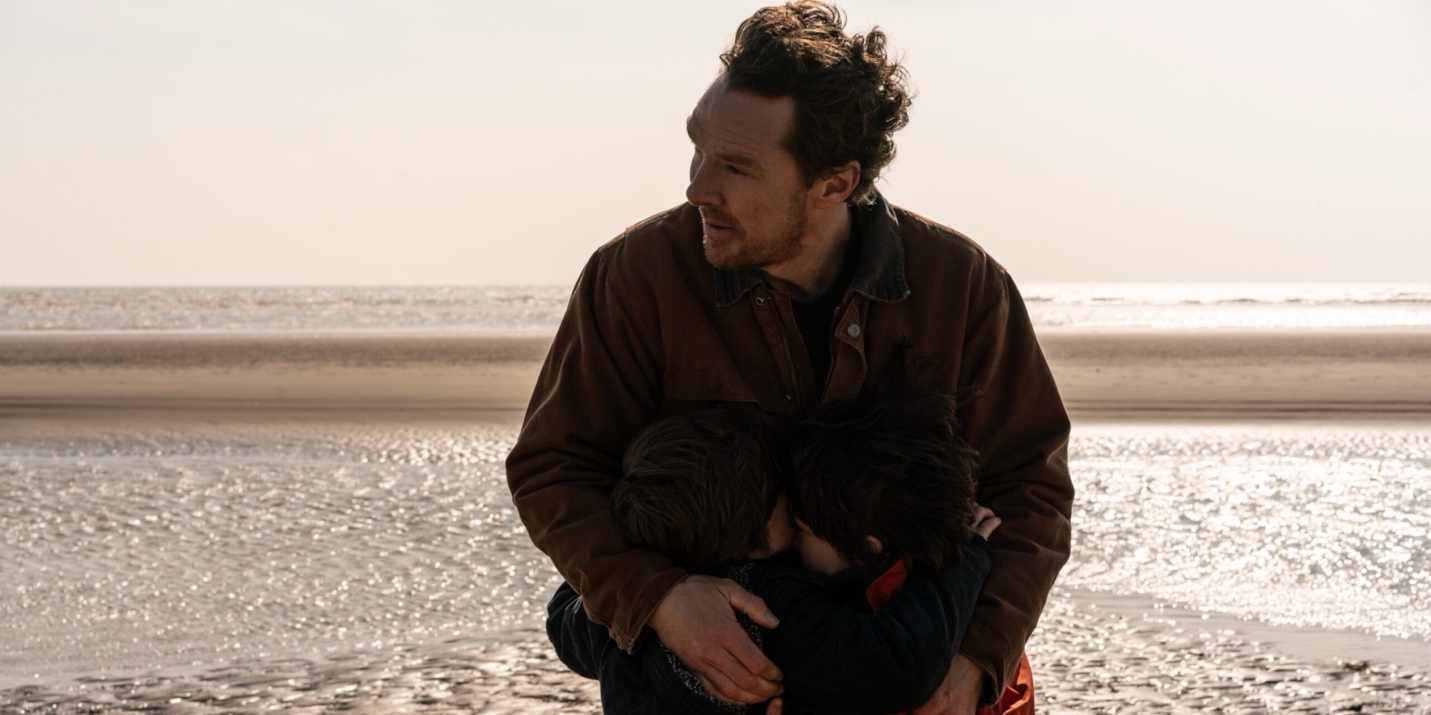
И авторы не заставляют героев бесконечно копаться в себе. Здесь есть и обычные сцены с прогулками, и юмор — в мрачных историях тоже можно шутить. От этого следующие сцены становятся ещё грустнее и живее.
Кстати, сам писатель появляется в финале с ироничной фразой: «У меня столько вопросов».
«Сущность» иногда напоминает хоррор
На многих сайтах «Сущность» помечена как ужасы. И это отчасти верно: в некоторых моментах фильм похож не на «Бёрдмена» (ещё одна картина, где героя преследует птица-человек), а на «Бабадука». Это один из главных постхорроров, который тоже был про потерю и горе.
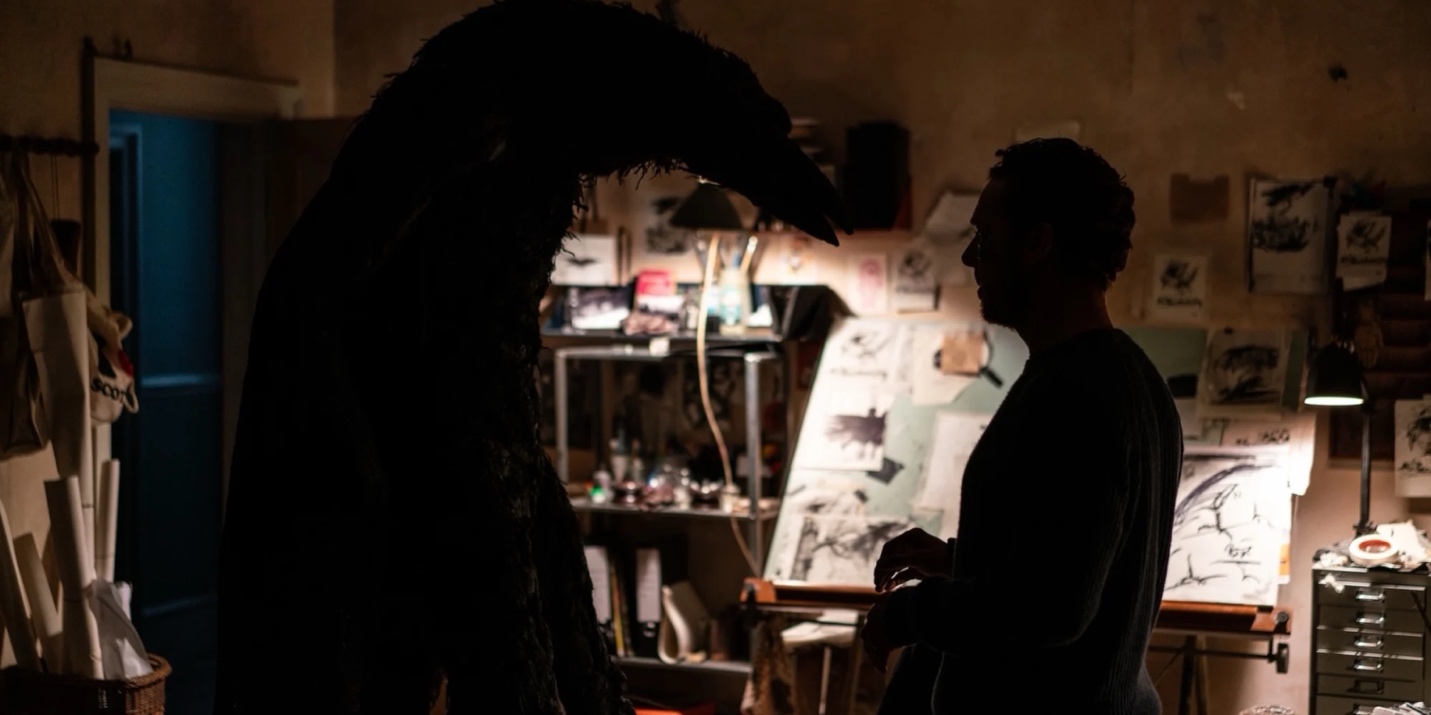
Сходств очень много: родитель один с детьми, тёмная сила из иллюстраций. Плюс «Сущность» в некоторых сценах снята как ужастик: есть скримеры и даже стандартная сцена с гаснущим светом и погромом в магазине. Старый почти квадратный формат создаёт атмосферу — чувство ограниченного обзора, тесноты, почти клаустрофобии. Жуткие детали часто прячутся в тени, вне поля зрения.
Главное достоинство — сам Ворон. Его сделали реальным, не как 3D-модель. Это монстр, которого можно потрогать. Вернее, тот, который может дотронуться до тебя — и это вряд ли обрадует. Ещё лучше смотреть с оригинальным звуком. Ворона озвучил Дэвид Тьюлис — он играл Люпина в «Гарри Поттере». Актёр сделал идеально страшный голос с щелчками, скрипами и другими пугающими звуками.
И тем удивительнее финал, который скорее противоположен «Бабадуку». «Сущность» на самом деле не про борьбу, а про то, как переживать чувства, и про опасность полной апатии. Ведь вместо Ворона может прийти кто-то страшнее.
«Сущность» легко обвинить в вторичности. Но после шутки про ворона в «Американских богах» стало модно не ссылаться на Эдгара По, а ругать за такие отсылки. Классическую основу не скрывали ни Портер, ни Саузерн, ни Камбербэтч — знакомые элементы говорят о преемственности.
Важнее, что «Сущность» прокатит на эмоциональных качелях. Это драма, которая играет в ужасы, иногда смешит, иногда бесит. Это герой, который может быть несчастным, жалким или противным. Но это кино, которое стоит пережить — так же, как героям свои чувства.
Потому что в итоге оно даёт терапевтический эффект. Даже тем, кто не переживал серьёзных потерь, важно увидеть, какая тьма может быть внутри каждого. И понять, что с ней делать и делать ли вообще.
The main character is a father who writes comics. The characters’ names are never mentioned in the film. After his wife dies suddenly, he’s left alone with two school-age sons. It’s immediately clear that the man can’t cook or communicate with children — his wife used to handle all of that.
The father sinks deeper into grief, stops doing household chores. He only draws in his room. But one day a terrifying huge Raven appears in the house. The creature looks dangerous and seems to finally break the man’s psyche. Though maybe it’s not that simple.
Benedict Cumberbatch Returns to Big Drama in “The Thing with Feathers”
Usually reviews start with the plot, then move on to acting or visuals. But let’s be honest: if “The Thing with Feathers” interests anyone in Russia, it’s mainly because of Benedict Cumberbatch. Audiences fell in love with the actor after “Sherlock,” and then he was constantly on screen. He appeared in Marvel films, “Star Trek,” and a bunch of biopics.
But in recent years Cumberbatch rarely appears in standout roles. He was a supporting character in “The Flood” and “The Book of Clarence,” one of many stars in Wes Anderson films. The only truly major role he played after “The Power of the Dog” was in the series “Eric” — and he won everyone over again.
2025 marks Cumberbatch’s return to big cinema. “The Roses” with him didn’t make it to Russian theaters (but it’s already available digitally — worth watching), while “The Thing with Feathers” can be seen in cinemas. Here he seems to continue themes from “Eric” and the less known “The Child in Time” — about a creative person going mad from family problems.
Simon Pegg, who worked with him on “Star Trek,” once joked that the Cumberbatch everyone loves doesn’t exist in real life. Off set the actor behaves awkwardly and uncertainly, but in front of the camera he becomes a stately hero or villain. But in “The Thing with Feathers” Cumberbatch somehow draws attention even when doing almost nothing.
The character can lie around for a long time, wash dishes, or just stare into space. But this inaction has more meaning and tragedy than long, pompous speeches. How unpleasant and pitiful he is when he breaks down. And how terrifying his hands look when he’s lost in his work.
In this film one actor matters more than all the sets and events. Thanks to Cumberbatch, the character’s grief literally turns him inside out, revealing his worst sides. Some actions make you want to hate him, others make you want to hug him. Staying indifferent is almost impossible.
”The Thing with Feathers” Is Almost Theatrical, But Honest
For Russia and other countries “The Thing with Feathers” came as a surprise. But for Britain it’s an expected event. Max Porter’s book “Grief Is the Thing with Feathers” came out in 2015, became a bestseller, and was translated into two dozen languages. It’s all because of the unusual structure. The novel shows three perspectives on one event: first the father’s feelings, then the children’s, then the mystical Raven that embodies their grief.
Porter mixed his own experiences (his father died when Max was six) with Ted Hughes’s philosophical poetry. The title comes from an Emily Dickinson poem, only hers was “Hope is the thing with feathers.” Unlike the original, the novel’s title sounds even darker.
After the successful book came a theater production where the Father was played by Cillian Murphy (interesting to compare him with Cumberbatch). The story simply had to reach the screen. But that’s exactly where the book’s foundation started to change.
“The Thing with Feathers” was directed by Dylan Southern, known to fans of Blur and LCD Soundsystem for his excellent documentaries. In narrative film the director kept the main thing — the desire to tell the story to the viewer. The three-part structure got a bit blurred: in all parts the Father remains the main character. But the viewer still learns about the children’s feelings and the Raven’s strange role.
The main strength is that “The Thing with Feathers” doesn’t try to complicate things. Many dramas now overdo it with hints, even though the story is simple. Here the moral is on the surface — and this somehow led to negative reviews that criticize the film for predictability.
But this isn’t a detective or thriller like “Secret Window” — the creators of “The Thing with Feathers” don’t think the viewer is stupid. Yes, the plot is clear, it’s even simpler than in the book. But everything is done not to deceive, but to immerse you in the emotions.
And the authors don’t make the characters endlessly dig into themselves. There are ordinary scenes with walks, and humor — you can joke in dark stories too. This makes the following scenes even sadder and more alive.
By the way, the writer himself appears at the end with an ironic line: “I have so many questions."
"The Thing with Feathers” Sometimes Resembles Horror
On many sites “The Thing with Feathers” is tagged as horror. And that’s partly true: in some moments the film resembles not “Birdman” (another film where a bird-person pursues the hero), but “The Babadook.” That’s one of the key post-horrors that was also about loss and grief.
There are many similarities: a parent alone with children, a dark force from illustrations. Plus “The Thing with Feathers” is shot like a horror in some scenes: there are jump scares and even a standard scene with flickering lights and a supermarket rampage. The old, almost square format creates atmosphere — a sense of limited view, tightness, almost claustrophobia. Creepy details often hide in shadows, out of sight.
The main strength is the Raven itself. It was made real, not like a 3D model. This is a monster you can touch. Or rather, one that can touch you — and that’s unlikely to please. It’s also better to watch with the original sound. The Raven was voiced by David Thewlis — he played Lupin in “Harry Potter.” The actor created a perfectly terrifying voice with clicks, creaks, and other frightening sounds.
And that makes the ending even more surprising, which is rather the opposite of “The Babadook.” “The Thing with Feathers” isn’t really about fighting, but about processing feelings and the danger of falling into complete apathy. After all, something scarier than the Raven could come instead.
“The Thing with Feathers” can easily be accused of being derivative. But after the raven joke in “American Gods” it became fashionable not to reference Edgar Allan Poe, but to criticize such references. Neither Porter, nor Southern, nor Cumberbatch hid the classical foundation — familiar elements speak of continuity.
What matters more is that “The Thing with Feathers” will take you on an emotional roller coaster. This is a drama that plays at horror, sometimes makes you laugh, sometimes annoys. This is a hero who can be unhappy, pitiful, or repulsive. But this is a film worth experiencing — just like the characters experience their feelings.
Because in the end it creates a therapeutic effect. Even for those who haven’t faced serious losses, it’s important to see what darkness can be inside each person. And to understand what to do with it, and whether to do anything at all.